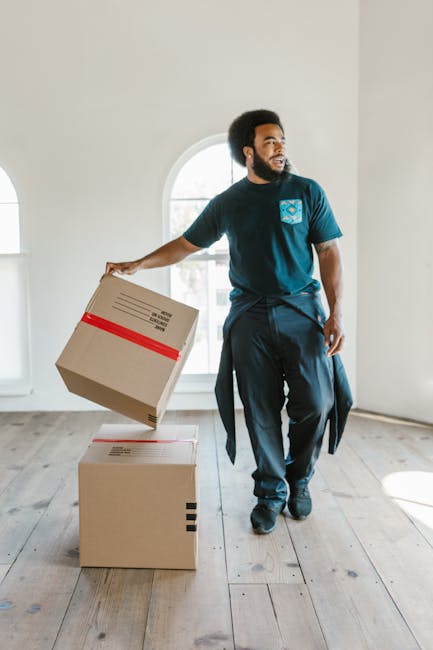
Moving out cleaning Maze Hill insider tips for landlords
If you let property in Maze Hill, you already know the end of a tenancy can go one of two ways: smooth handover, or a long, slightly draining back-and-forth over dust, stains, and what counts as "clean enough". Moving out cleaning Maze Hill insider tips for landlords is really about avoiding that second path. The aim is simple: protect your property, make inspections quicker, and reduce the chance of disputes when tenants move on.
Truth be told, most problems are not dramatic. It is the little things. Grease on skirting boards. A faint pet smell that lingers after the windows are shut. Carpet wear that looks worse in daylight than it did during a rushed viewing. This guide pulls together the practical bits landlords often wish they had sorted earlier, with a focus on getting a professional, documentable result rather than a "best effort" tidy-up.
Below, you will find a clear process, the common traps to avoid, and the kind of landlord-minded thinking that saves time later. If you need specialist help with carpets, upholstery, or stubborn marks, it also helps to understand where services like professional carpet cleaning or targeted stain removal fit into the picture.
Table of Contents
- Why moving out cleaning matters for landlords
- How the cleaning process works in practice
- Key benefits and practical advantages
- Who this is for and when it makes sense
- Step-by-step guidance
- Expert tips for better results
- Common mistakes to avoid
- Tools, resources and recommendations
- Law, compliance, standards and best practice
- Options and comparison table
- Case study or real-world example
- Practical checklist
- Conclusion
- Frequently asked questions
Why Moving out cleaning Maze Hill insider tips for landlords Matters
End-of-tenancy cleaning is not just about presentation. For landlords, it sits at the intersection of property protection, tenant relations, and operational efficiency. A clean property photographs better, relets faster, and gives incoming tenants a better first impression. More importantly, a well-documented clean helps reduce disagreement over deposit deductions and wear-and-tear claims.
In Maze Hill, where rental properties can range from compact flats to family homes and period conversions, the cleaning challenges can vary quite a bit. A top-floor flat may need careful carpet work and window ledge cleaning; a family property may need odour control, sofa care, and deeper kitchen degreasing. One-size-fits-all rarely works. That is the part people miss.
Landlords also tend to underestimate the knock-on effect of a rushed clean. A property that smells stale, has grubby high-touch points, or shows obvious carpet spots can make prospective tenants hesitate. Even if the home is otherwise sound, first impressions can be stubborn things. They stick.
There is also a practical side. If a tenant leaves without doing a proper clean, it is far easier to fix the issues quickly when you already know what a thorough moving-out standard looks like. That means you can brief contractors properly, compare quotes sensibly, and avoid paying twice for the same room. Not ideal, obviously.
How Moving out cleaning Maze Hill insider tips for landlords Works
The process usually follows a fairly simple pattern: inspect, prioritise, deep clean, verify, and document. The detail matters more than the framework. A good landlord clean starts before anyone picks up a mop.
1. Inspect room by room
Walk the property as if you are handing it to a brand-new tenant tomorrow morning. Look at corners, sockets, skirting, windowsills, extractor fans, and the areas around handles and switches. Those are the spots that quietly reveal how much effort went into the clean.
2. Separate cosmetic issues from actual cleaning problems
A scuffed wall is not the same as a dirty wall. A worn carpet is not necessarily a neglected one. This distinction matters because it helps you avoid unrealistic expectations and focuses attention where cleaning will genuinely improve the property.
3. Build a cleaning scope that matches the condition
Some properties only need a standard end-of-tenancy refresh. Others need specialised work such as steam cleaning, odour treatment, or upholstery care. If carpets are flattened, marked, or have traffic lanes, a service like steam carpet cleaning can be a sensible choice. If sofas or dining chairs are part of the let, upholstery cleaning may be worth including rather than leaving it as a later headache.
4. Clean from top to bottom
This sounds obvious, but rushed teams still get it wrong. Dust falls. So do crumbs. Start with higher surfaces, then move to mid-level areas, then floors and soft furnishings. Otherwise, you end up repeating jobs, and nobody enjoys that on a rainy Thursday afternoon in southeast London.
5. Confirm the result with photos
Photo records are surprisingly useful. They help with internal sign-off, contractor accountability, and tenancy file keeping. Before-and-after shots of carpets, sinks, oven fronts, and bathroom fixtures create a clear paper trail. It is one of those boring habits that pays off later.
Key Benefits and Practical Advantages
For landlords, a proper moving-out clean is not just a nice extra. It has a few concrete advantages that add up quickly.
- Fewer disputes: Clear cleaning standards and photos make conversations with tenants far less murky.
- Better presentation: Fresh carpets, cleaner upholstery, and odour-free rooms improve the feel of the property straight away.
- Faster re-letting: Properties that look cared for usually move through the market more confidently.
- Lower maintenance risk: Dirt, moisture, and untreated stains can hide early signs of damage.
- More efficient contractor use: Knowing what needs doing reduces wasted time and unnecessary call-outs.
There is also a reputational advantage that landlords sometimes overlook. Tenants talk. Agents talk. Good maintenance standards tend to travel. So yes, it is a cleaning job, but it is also part of how your property business is perceived.
If you manage more than one unit, the benefits become even clearer. A repeatable process lets you standardise expectations across properties and keep records that actually mean something. It is calm, tidy, practical. Which, to be fair, is exactly what most landlords are after.
Who This Is For and When It Makes Sense
This approach is most useful for landlords, letting agents, and property managers who want a cleaner handover process. It also helps private landlords managing one or two homes without a full management team behind them. If you have ever turned up after tenants left and thought, "Right, where do I even begin?" then this is for you.
It makes particular sense when:
- the tenancy has ended and you need the property ready for marketing
- the carpets show visible wear, staining, or lingering odours
- soft furnishings need attention before new tenants move in
- the property has been occupied by pets or long-term smokers
- you want evidence to support a fair deposit discussion
- there has been little clarity over who was responsible for the final clean
It is also useful before photographs are taken for listings. A clean property photographs better in natural light, especially in the morning when little bits of dust seem to appear from nowhere. You know the feeling.
Step-by-Step Guidance
Here is a practical sequence landlords can use or pass on to a contractor.
Step 1: Do a pre-clean inspection
Check the property before any cleaning starts. Note stains, breakages, odours, heavy soiling, mould-prone areas, and fabric items that need specialist attention. A quick room-by-room list is enough. You are creating a scope, not writing a novel.
Step 2: Remove clutter and loose items
Old tenant belongings, loose bins, random boxes, and forgotten under-bed bits all get in the way. Clearing these first makes the rest of the work more effective. It also helps cleaners do what they are actually paid to do rather than tidying someone else's life.
Step 3: Tackle kitchen and bathroom hotspots
These rooms usually show the most obvious difference between a basic clean and a proper one. Degrease cupboard doors, clean extractor fans, descale taps and shower screens, and make sure sinks and seals are not hiding grime. In bathrooms, attention to grout and seal edges matters because that is where the room starts to look tired.
Step 4: Address carpets, rugs, and upholstery
Fabric surfaces absorb far more than people realise. Mud, food spills, pet smells, and general footfall all settle in quietly. A service like rug cleaning can help preserve decorative floor coverings, while sofa cleaning is useful where furnished lets need a complete refresh. If there are stubborn marks, pair this with stain removal rather than hoping a standard pass will do the trick. It often will not.
Step 5: Deal with odours properly
Odour is one of the quickest ways to make a property feel unwelcoming. Open windows where possible, clean fabric surfaces, and identify the source rather than masking it. Pet-related smells often need a more targeted approach, which is where pet stain and odour removal becomes relevant.
Step 6: Finish with high-touch details
Handles, light switches, banisters, bannisters, skirting boards, internal doors, and window frames. These details are easy to miss, but they are the things tenants notice in the first ten seconds. One finger mark on a white door can undo the look of an otherwise excellent clean.
Step 7: Reinspect and document
Do a final walk-through with the lights on. Check under furniture, behind taps, and in corners where dust settles in little grey lines. Then take photos. If you are using a contractor, ask for the same. A simple final record saves a lot of memory-based arguments later.
Expert Tips for Better Results
Here are the small, practical things that make a noticeable difference.
- Do carpets early in the process. Drying time is easier to manage when you are not racing the clock near handover.
- Use sunlight to your advantage. Open curtains, inspect by window light, and you will spot more than under ceiling bulbs.
- Ask cleaners to prioritise problem areas first. Hallways, living room traffic paths, and kitchen spill zones usually need more attention than spare bedrooms.
- Match the method to the fabric. Some materials need gentler treatment. A good cleaner should explain what they are doing and why.
- Protect your records. Keep before-and-after photos with the tenancy file. Simple, but useful.
- Look for drying practicality, not just shine. A floor that is wet for too long causes delay and can introduce other issues.
A small but important point: if the property has repeated tenancy turnover, build these checks into your routine rather than deciding case by case. The consistency pays for itself. Usually faster than you expect.
If you are comparing providers, it may help to review pricing and quote information carefully so you understand what is included. A low quote is not always a good quote if it excludes the jobs that matter most.
Common Mistakes to Avoid
Most landlord cleaning problems come from avoidable assumptions. The most common one? Thinking a surface clean is enough.
- Leaving carpets until the end: then the property is clean everywhere else, but the flooring still looks tired.
- Ignoring smells: a room can look spotless and still feel unready if the air is stale or has pet odour.
- Forgetting hidden spaces: behind appliances, under radiators, inside bins, and in cupboard corners.
- Assuming tenants cleaned "properly": not always fair, and not always true.
- Not photographing condition: memory is a poor witness, honestly.
- Using the wrong cleaning method for delicate items: some fabrics, curtains, or rugs can be damaged by heavy-handed treatment.
Another mistake is overpromising. If a carpet is badly worn, no cleaner can turn it into brand new. What they can do is improve appearance, reduce staining, and make the room presentable. That distinction matters, especially when setting expectations internally or with an agent.
Tools, Resources and Recommendations
You do not need a van full of specialist kit to manage moving-out cleaning well, but a sensible set of tools helps. For landlords overseeing their own properties, the basics usually include:
- microfibre cloths for dust and finish work
- a decent vacuum with strong edge cleaning
- an extendable duster for high ledges and corners
- non-abrasive bathroom and kitchen cleaners
- protective gloves and bucket systems to keep rooms separate
- photo storage or a simple folder for before-and-after records
For more difficult jobs, specialist services can be a better use of time. Mattress cleaning can help in furnished rentals, especially where freshness matters for the next occupant. Curtain cleaning is another one people forget until sunlight reveals the dust. And if the property includes leased office space or mixed-use accommodation, commercial carpet cleaning may be the more appropriate route for larger or higher-traffic areas.
When choosing a provider, look for clear communication, realistic timing, and evidence of safety and insurance arrangements. A good cleaner should be able to explain how they handle different materials, what they need from you on the day, and what results are realistic. That sort of plain-English answer is usually a good sign.
You can also review the company's approach to insurance and safety, along with health and safety expectations, if you want extra reassurance before booking. It is not glamorous, but it matters.
Law, Compliance, Standards and Best Practice
For landlords, cleaning is not usually about one dramatic legal rule. It is more about fair process, clear standards, and good records. Tenancy agreements often set out the expectation that the property should be returned in a reasonably clean condition, allowing for fair wear and tear. The exact wording will vary, so always check your own agreement rather than relying on a general assumption.
Best practice in the UK generally means:
- setting clear expectations at the start of the tenancy
- keeping move-in and move-out inventory records
- using photographs to support the condition report
- distinguishing wear and tear from avoidable neglect
- treating any deposit deductions fairly and proportionately
If you are working with contractors, it also makes sense to check their terms, payment arrangements, and service scope. Reading the terms and conditions alongside the payment and security information is a sensible admin step, not just paperwork for the sake of it.
Environmental and disposal practices can matter too. If you are clearing out a property after a long tenancy, some waste may need proper sorting rather than just binning everything together. A responsible approach to recycling and sustainability can support your wider property standards and keep the process more orderly.
One final note: if you ever receive a complaint about service quality, it helps to know the company's complaints procedure in advance. Good businesses usually make this straightforward, and it is reassuring when they do.
Options, Methods, or Comparison Table
Different properties need different cleaning approaches. The best choice depends on condition, turnaround time, and how furnished the property is.
| Method | Best for | Strengths | Limitations |
|---|---|---|---|
| Standard end-of-tenancy clean | Light to moderate occupancy with basic dirt and dust | Efficient, broad coverage, good for routine handovers | May not fully resolve odours, stains, or deep carpet marks |
| Specialist carpet or steam cleaning | Traffic lanes, embedded dirt, and dull flooring | Improves appearance and freshness significantly | May need drying time; not ideal for every fabric |
| Targeted stain and odour treatment | Pets, drinks, food spills, and recurring marks | Focuses on the real problem rather than the visible symptom | Results depend on how long the stain has set |
| Full furnished-property refresh | Lets with sofas, rugs, curtains, and mattresses | Creates a stronger move-in feel for the next tenant | More time-consuming and usually more involved |
If the property is empty and already in decent order, a standard clean may be enough. If not, a combination approach is usually the smarter route. It is not about buying the fanciest method. It is about solving the actual issue.
Case Study or Real-World Example
Here is a typical landlord scenario. A two-bedroom flat in Maze Hill is vacated after a long tenancy. The place looks tidy at first glance, but the hallway carpet has traffic marking, the lounge smells slightly stale, and there are faint coffee rings on an upholstered armchair left as part of the furnishing.
A rushed basic clean would probably make the flat "look okay" for a quick visit. But a better plan would be:
- inspect and photograph the carpet, chair, and kitchen hotspots first
- book carpet treatment for the hallway and lounge
- clean the upholstery separately
- remove odour at the source rather than masking it
- do a final detail pass on doors, sockets, and skirting
The result? The property feels fresher, photographs better, and gives the next tenant a cleaner first impression. More importantly, there is a clear record of what was done and why. That cuts down on second-guessing later. A fairly ordinary job, really, but handled well.
What landlords often notice in situations like this is that the cleaner the handover, the less emotional the conversation becomes. Nobody is staring at dusty skirting in the middle of a tense deposit discussion. That alone is worth a lot.
Practical Checklist
Use this checklist before a property is handed over or listed again.
- Check all rooms for visible dirt, odour, and staining
- Inspect carpets, rugs, sofas, mattresses, and curtains if furnished
- Clear out leftover items and rubbish
- Clean kitchens thoroughly, including cupboard interiors and handles
- Descale and sanitise bathrooms
- Dust high and low surfaces, including skirting boards
- Vacuum edges, corners, and under furniture
- Wipe light switches, door handles, and bannisters
- Take before-and-after photos
- Confirm drying time before the next viewing or check-in
- Review the final result in daylight if possible
- Keep records with the tenancy file
If you are dealing with stubborn fabric marks, remember that specialist cleaning is often the better answer than repeated scrubbing. Too much effort in the wrong place can make things worse. A bit annoying, but true.
Get a free quote today and see how much you can save.
Conclusion
For landlords, moving out cleaning is really a property management tool in disguise. Done well, it protects presentation, reduces friction, and makes the next tenancy easier to start on the right foot. The best results usually come from a clear scope, sensible priorities, and knowing when to bring in specialist help for carpets, upholstery, odours, or stains.
If you keep the process consistent, document it properly, and avoid last-minute shortcuts, you will save yourself a surprising amount of time and stress. And let's face it, landlord life has enough moving parts already. A clean, well-prepared handover should not be the thing that tips it over the edge.
Do the basics properly. Add the detail where it matters. And leave the property feeling calm, fresh, and ready for someone else's first keys. That is the quiet win.
Frequently Asked Questions
What does moving out cleaning usually include for landlords?
It normally includes a deep clean of kitchens, bathrooms, floors, surfaces, fixtures, and any furnished items that need attention. In practice, landlords often need extra focus on carpets, odour control, and hidden dirt behind appliances or inside cupboards.
Should a landlord always book professional cleaning at the end of a tenancy?
Not always, but it is often sensible when the property has carpets, upholstered furniture, stubborn stains, or a tight turnaround. Professional help is especially useful when you need consistent results and clear documentation.
How do I know if a carpet needs specialist treatment?
If the carpet has traffic lanes, dark patches, lingering smells, or spots that return after vacuuming, specialist treatment is usually worth considering. A simple vacuum will not fix embedded dirt.
Can cleaning help with pet smells in a rental property?
Yes, but only if the source is addressed properly. Surface cleaning may improve the look, yet pet stains and odours often need targeted treatment of carpets, fabrics, or affected spots.
What is the biggest mistake landlords make with move-out cleaning?
Assuming the property only needs a quick tidy. The biggest issues often hide in carpets, fabric furniture, bathroom seals, and kitchen grease. Those are the places that make a property feel tired fast.
How should landlords document the cleaning condition?
Use a room-by-room inspection and take clear before-and-after photos. Keep those with the tenancy file, along with notes on stains, wear, or any specialist work carried out.
Is end-of-tenancy cleaning the same as regular cleaning?
No. End-of-tenancy cleaning goes deeper and is aimed at handover standards. It usually includes areas that are skipped in normal weekly cleaning, such as behind appliances, inside cupboards, and along skirting boards.
What if the property has delicate fabrics or curtains?
Then the cleaning method should match the material. Delicate curtains, rugs, or upholstery may need specialist care rather than generic scrubbing. That is where a cautious approach pays off.
How long should a landlord allow for move-out cleaning?
It depends on property size and condition, but allowing enough time for inspection, cleaning, drying, and a final check is wise. Tight same-day turnarounds can work, but only if the scope is realistic.
Can a landlord deduct cleaning costs from a deposit?
That depends on the tenancy agreement, the condition of the property, and whether the charge is fair and proportionate. Good records, photos, and a clear comparison with the move-in condition are important.
What should I ask a cleaning company before booking?
Ask what is included, how they handle carpets and upholstery, what drying time to expect, and whether they have appropriate insurance and safety processes. Clear answers are usually a good sign.
Why is professional cleaning helpful before re-letting a property?
Because a clean property is easier to market, easier to photograph, and more reassuring for incoming tenants. It also reduces the chance that small leftover issues become bigger complaints later.