Maze Hill upholstery cleaning after flooding what to do fast
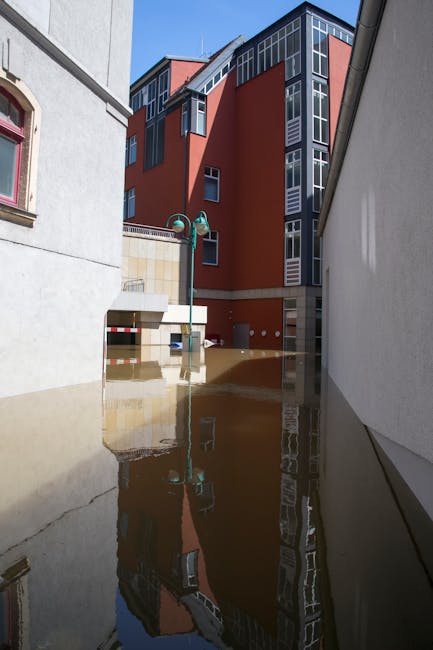
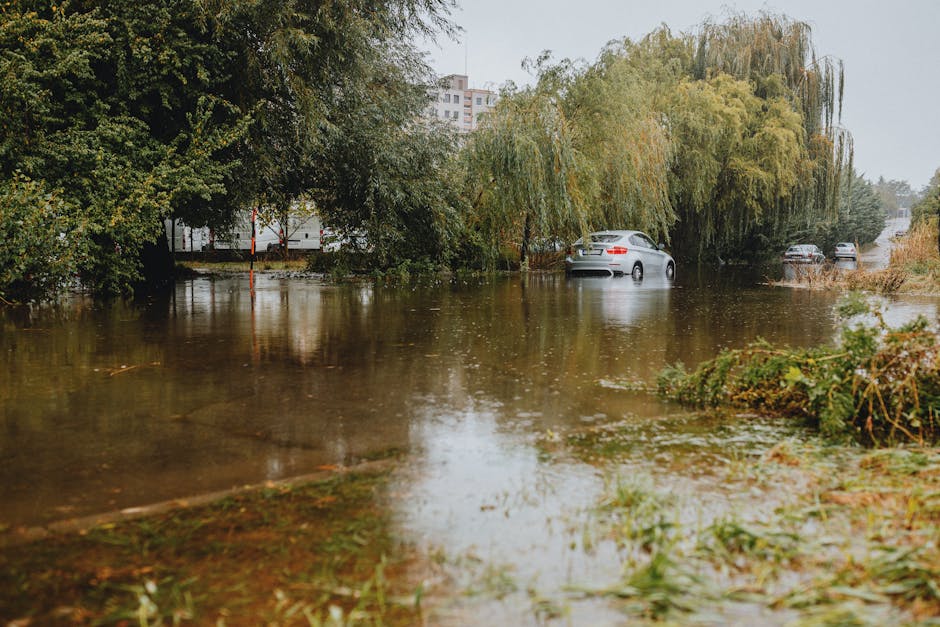
If your sofa, armchair, dining chairs or headboard have been hit by floodwater, the clock starts immediately. With Maze Hill upholstery cleaning after flooding what to do fast, the goal is simple: stop the damage spreading, reduce odour and mould risk, and decide what can be saved before the fabric, foam and woodwork start breaking down. It sounds dramatic because, honestly, it can be. A damp cushion left in the corner on a warm afternoon can turn into a very different problem by tea time.
This guide walks you through the first things to do, what professional upholstery cleaning can and cannot fix after flooding, how the process usually works, and where people often slip up. You will also find a practical checklist and a clear comparison of cleaning options, so you can act quickly without making a rushed mistake. To be fair, flooding is one of those situations where a calm plan helps more than panic ever will.
Table of Contents
- Why Maze Hill upholstery cleaning after flooding what to do fast matters
- How Maze Hill upholstery cleaning after flooding what to do fast works
- Key benefits and practical advantages
- Who this is for and when it makes sense
- Step-by-step guidance
- Expert tips for better results
- Common mistakes to avoid
- Tools, resources and recommendations
- Law, compliance, standards, or best practice
- Options, methods, or comparison table
- Case study or real-world example
- Practical checklist
- Conclusion
- Frequently asked questions
Why Maze Hill upholstery cleaning after flooding what to do fast Matters
Flooded upholstery is not just "a bit wet". Once water gets into fabric, padding, webbing and timber frames, it starts moving through the item in ways you can't always see. That is why fast action matters so much. The outer fabric may look only slightly damp while the inside stays soaked for days. And that hidden moisture is where smells, bacterial growth and mildew tend to begin.
In the Maze Hill area, many homes and flats use upholstered furniture that is close to walls, skirting boards and fitted flooring. If floodwater has entered from a doorway, through a ground-floor room, or after a plumbing issue, furniture often absorbs contamination fast. Even clean rainwater can become a problem once it passes through dust, dirt and floor residue.
Acting quickly helps for three reasons:
- It limits permanent staining by stopping water marks and lifted dyes from setting.
- It reduces odour by drying the item before damp smells get locked into foam.
- It lowers health and safety risks by reducing the chance of mould and contamination lingering in the room.
There is also a practical side. If the item is salvageable, cleaning and drying it early is usually much cheaper and less disruptive than replacing it. If it is not salvageable, quick inspection gives you a clearer picture sooner. Either way, fast is better. Really fast.
For anyone already dealing with carpets, rugs or curtains at the same time, it can help to look at related services such as professional upholstery cleaning, sofa cleaning, or broader stain removal support if the flood has also left marks on other surfaces.
Expert summary: the first 24 to 48 hours matter most. Remove excess water, separate removable parts, dry the room, and avoid over-wetting the furniture again until you know what the fabric and filling can tolerate.
How Maze Hill upholstery cleaning after flooding what to do fast Works
Good flood-related upholstery cleaning is not just about "cleaning the couch". It is a sequence: assessment, moisture removal, controlled drying, sanitising where appropriate, and then final cleaning or stain treatment. The exact approach depends on fabric type, the source of water, and how long the item has been wet.
1. First assessment
A professional will usually check the type of upholstery fabric, whether the cushions are detachable, and whether the frame is wood, metal or composite. They will also look at the water source. Clean water from a pipe is handled differently from grey water or floodwater that may contain soil, sewage, or debris. That distinction matters, because some items should not be cleaned and reused if contamination is too severe.
2. Controlled extraction and drying
Where possible, excess water is removed using extraction equipment and absorbent methods. Then the item is dried with airflow and dehumidification. This stage is often more important than the "cleaning" itself. If you clean a damp item but leave moisture in the foam, the smell will come back. And it always does, annoyingly, when the room feels safe again.
3. Cleaning based on fabric and damage
Once the item is stabilised, appropriate cleaning may be used. That might include gentle water-based cleaning, low-moisture methods, or targeted stain treatment. Some fabrics, especially delicate fibres or older upholstery, need a careful hand. Overdoing it can cause shrinkage, dye bleed, or rough texture changes.
4. Deodorising and sanitising where suitable
After flooding, odour can cling even when the surface looks clean. Professional cleaning may help reduce that smell through careful deodorising and sanitising processes. It is worth saying plainly: not every odour can be fully removed if contamination has soaked deep into the inner structure. A good cleaner will tell you that honestly rather than promise miracles.
5. Final inspection and aftercare
Once cleaned, the item should be checked for dry patches, colour change, lingering odour and hidden damp. Aftercare advice matters too. For example, you may be told to keep the room ventilated, avoid placing covers on the item too soon, and delay use until fully dry.
If the flooding affected other textiles in the home, related pages such as carpet cleaning, curtain cleaning, or even mattress cleaning may also be relevant, especially where water has moved through the property rather than staying in one room.
Key Benefits and Practical Advantages
Fast action with upholstered furniture after flooding is not just about appearance. There are some very real practical benefits, and they show up quickly if you do the job properly.
- Preserves furniture value: a quicker response can stop deep staining, upholstery distortion and frame damage from becoming permanent.
- Helps control odour: damp foam is famous for holding on to smells long after the surface looks fine.
- Reduces the risk of mould: dry furniture is much less likely to develop that musty, closed-up smell that spreads through the room.
- Supports a safer home environment: floodwater can leave behind irritants or contamination that should not be left sitting in soft furnishings.
- Can save time and money: salvaging a well-built item is often preferable to replacement, especially for sofas and specialist chairs.
- Improves the rest of the room recovery: clean upholstery helps the whole space feel normal again, which matters more than people expect.
There is also an emotional benefit, if we are honest. Furniture is part of how a home feels. Sitting on a dry, fresh sofa after a flood is a small victory, but a meaningful one. After a messy day of towels, fans and open windows, that matters.
For stubborn marks left behind by dirty water, many people end up needing a combined approach that includes steam carpet cleaning for floors, plus upholstery work for seating. Different materials respond differently, so matching the method to the item is half the battle.
Who This Is For and When It Makes Sense
This guidance is for anyone in Maze Hill who has had upholstered furniture exposed to floodwater, leak water, or serious internal water ingress. It suits homeowners, tenants, landlords, letting agents and small businesses with soft furnishings in reception areas or waiting rooms.
It makes sense to act fast when:
- water has reached the base of a sofa, chair or ottoman
- cushions feel heavy, cold or oddly firm because the filling is holding moisture
- there is a visible tide mark, mud line or stain edge
- you can smell damp, mustiness or sour odour
- the item sat wet for several hours before drying started
- the water source was not clean tap water
It may not make sense to keep trying to save an item if:
- the upholstery has been saturated for too long
- the floodwater was contaminated and the material cannot be safely restored
- the frame has warped or split
- the item is already badly worn and not worth the specialist effort
A quick inspection can help you decide which bucket each item falls into. Sometimes a chair is salvageable but the footstool is not. That is normal. Not every item should be treated the same way, and pretending otherwise wastes time.
Step-by-Step Guidance
If you need to do the right thing quickly, use this sequence. It is simple, but it works. Well, most of the time it works, which is the honest version.
Step 1: Make the area safe
Before moving anything, check for electrical hazards, slipping risks and dirty standing water. If there is any doubt about electrics nearby, do not take chances. Keep people and pets away from the wet area.
Step 2: Remove what you can
Take off cushions, throws, loose covers and any detachable fabric pieces. If covers are machine washable and the label allows it, wash them separately later. Do not assume all covers can be treated the same way.
Step 3: Blot, do not scrub
Use clean towels to blot the surface gently. Scrubbing can push dirt deeper into the fibres and spread the stain. The goal is to lift moisture, not massage it in. Rather unglamorous, but effective.
Step 4: Increase airflow
Open windows if conditions allow, use fans to move air across the room, and run dehumidifiers if you have them. Air movement is your friend. Heat can help too, but too much heat too soon can create shrinkage or set odours into the fabric, so keep it controlled.
Step 5: Inspect the underside and inner areas
Check the base, zips, seams and hidden corners. If the underside is still wet, the upholstery is not truly dry. A chair can look fine from the front and still be damp underneath. It happens all the time.
Step 6: Decide whether the item needs professional cleaning
If the item has visible staining, lingering smell, contamination, or delicate fabric, professional help is usually the sensible next step. The earlier this happens, the better. In many cases, professional upholstery cleaning after flooding is more about recovery and control than cosmetic shine.
Step 7: Keep the item out of use until fully dry
Do not sit on it too soon, and do not cover it with blankets or plastic. That traps moisture. Let the item dry all the way through, not just on the surface.
Step 8: Review the result
Once dry, check for smell, stiffness, tide marks and any signs of mould. If a smell lingers or a stain darkens as it dries, further treatment may be needed. That is the point where specialist stain treatment or a second clean can make a real difference.
Expert Tips for Better Results
These are the small things that often make the biggest difference. Not flashy. Just practical.
- Act in layers: remove water first, then dry, then clean. People often try to clean too early and make the item wetter.
- Separate the cushions: cushions dry better when they are not stacked in a pile. Obvious, yes, but easy to forget when the room feels chaotic.
- Watch for colour transfer: if the fabric is dyed or patterned, use extreme care around rubbing and wet cloths.
- Check the smell in a closed room: odour often becomes more obvious with windows shut, especially the next morning.
- Take photos before and after: useful for insurance, letting records, or just keeping a sensible trail of what happened.
- Be patient with drying: drying upholstery properly can take time, particularly in damp weather. Fast does not mean rushed.
One small but important tip: if the furniture is old, valuable, or fabric-sensitive, stop guessing and get an expert opinion early. A ten-minute assessment can save a lot of grief. And a lot of money too, let's be honest.
If the flood also affected pets' bedding, a family sofa, or a favourite rug, related services like pet stain and odour removal and rug cleaning may be helpful alongside upholstery recovery.
Common Mistakes to Avoid
People do their best after a flood, but a few common mistakes can make upholstery damage worse.
- Waiting too long: a soaked sofa left for days is much harder to save than one dealt with the same day.
- Using too much water again: wetting the item repeatedly can drive moisture deeper into the filling.
- Scrubbing hard: this can roughen fibres, spread staining and distort the fabric pile.
- Hiding the smell with fragrance: air fresheners only mask the problem briefly. The source still needs dealing with.
- Covering the item while it is damp: plastic and thick throws trap moisture. Not ideal, obviously.
- Assuming all floodwater is the same: clean water, grey water and contaminated water are not equal, and the cleaning approach should reflect that.
- Using heat carelessly: a heater blasted at close range can damage fibres or warp frames.
A simple rule helps here: if you are unsure, pause before you act. A cautious choice is often the better one with soft furnishings. Half the mistakes come from trying to fix the problem too aggressively. The other half come from doing nothing. It is a lovely little trap.
Tools, Resources and Recommendations
You do not need a van full of kit to start the recovery, but a few basics really help.
- Clean absorbent towels for blotting moisture from the fabric and base.
- Fans for moving air across the room and around the furniture.
- Dehumidifier if available, especially in enclosed rooms or damp weather.
- Disposable gloves if floodwater may be contaminated.
- Plastic sheeting or foil for protecting dry nearby items, not for wrapping wet furniture.
- Phone camera for recording the condition before cleaning or disposal decisions.
For a more structured service approach, it can also help to review a company's health and safety policy, insurance and safety information, and pricing and quotes page before booking. That gives you a clearer sense of process, expectations and accountability.
If you are comparing providers, ask what they do about contamination risk, how they handle delicate upholstery, and whether they give drying guidance after the clean. These are simple questions, but they reveal a lot. A good team won't mind them at all.
Law, Compliance, Standards, or Best Practice
After flooding, upholstery work sits close to hygiene, waste handling and safety concerns. In the UK, the exact responsibilities will depend on whether the property is domestic or commercial, the source of water, and whether any contaminated materials need disposal. If you are a tenant, landlord or managing agent, it is sensible to document the condition of the furniture and follow the relevant tenancy, insurance or property management process.
For businesses, there is a further layer of care. Staff and visitors should not be exposed to damp items that may carry odour, mould or contamination. Reasonable housekeeping, prompt drying, and safe disposal of unsalvageable items are all part of normal best practice. Nothing fancy, just sensible duty of care.
Best practice usually includes:
- recording the source and timing of the flooding
- separating salvageable items from contaminated ones
- ensuring drying is complete before re-use
- disposing of unsalvageable materials safely
- using trained technicians for delicate or high-value upholstery
If any item has been exposed to dirty water, sewage, or prolonged standing floodwater, be careful about treating it as a standard clean. That is not a job for guesswork. It may need a specialist assessment, and in some cases the honest answer is that replacement is the safer option.
Options, Methods, or Comparison Table
There are a few routes people take after upholstery gets flooded. Some are fine for very light water damage. Others are better when the item is wet through. Here is a straightforward comparison.
| Method | Best for | Pros | Limitations |
|---|---|---|---|
| Air drying only | Minor surface dampness | Simple, low cost, no extra products | Slow, may leave odour or hidden moisture |
| Home blotting and fan drying | Fresh clean-water exposure | Quick to start, useful first aid | Not enough for deep saturation |
| Professional upholstery cleaning | Staining, odour, moderate saturation | Better moisture control, deeper cleaning, fabric-specific care | May still not save heavily contaminated items |
| Replacement | Severely contaminated or structurally damaged furniture | Clears the problem fully | Highest cost, loss of original item |
In practice, many flood recovery jobs start with home drying and then move to professional cleaning if the item looks salvageable. That is often the sensible middle ground. If the upholstery is high quality, a specialist approach can be well worth it.
Case Study or Real-World Example
Here is a realistic scenario from the sort of flood recovery people often face in Maze Hill. A ground-floor flat had a short burst of water ingress after heavy rain pushed through a doorway threshold. A fabric sofa and two dining chairs were damp on the lower edges, and one seat cushion had taken on a sour smell by the next morning.
The first response was practical rather than dramatic: the cushions were removed, the room was ventilated, and towels were used to lift water from the undersides. The sofa was lifted slightly to allow air under the frame, and a dehumidifier was run through the day. A specialist inspection followed once the surfaces were stable enough to assess properly.
The key turning point was that the upholstery was not left in a closed, warm room for two days. That alone changed the outlook. The chairs needed targeted cleaning and drying, while the sofa needed deeper treatment because the foam had held moisture longer. In the end, the items were recoverable, though one cushion had a persistent tide mark that needed extra stain work.
The lesson is simple. Fast action gives you options. Slow action takes them away. It really is that blunt sometimes.
Practical Checklist
Use this quick checklist if your upholstery has been flooded.
- Stop the source of water if it is safe to do so.
- Keep people and pets away from the wet area.
- Remove detachable cushions, throws and covers.
- Blot excess moisture with clean towels.
- Improve airflow with windows, fans or a dehumidifier.
- Check the underside, seams and hidden areas for damp.
- Take photos of the damage for your records.
- Do not scrub the fabric aggressively.
- Do not cover damp furniture with plastic or thick bedding.
- Decide whether the item is salvageable or needs specialist cleaning.
- Keep the item out of use until it is fully dry.
- Look for odour, staining, mould or fabric distortion after drying.
Quick reminder: if the water source was dirty or the item stayed wet for a long time, it is safer to get a professional opinion before trying more home treatment.
If you want to understand how the wider business handles service quality and customer care, pages such as about us, terms and conditions, and privacy policy can also help build confidence before you book anything.
Conclusion
Flooded upholstery is stressful, but it is not hopeless in every case. The best outcome usually comes from fast, calm action: remove water, increase airflow, inspect the hidden areas, and bring in specialist help early if the fabric or filling has been soaked through. The earlier you deal with it, the more likely you are to save the item and avoid that stubborn damp smell that lingers for weeks.
For Maze Hill homes and businesses, the key is not to overcomplicate things. Start with safety, then drying, then the right kind of cleaning. Keep an eye on contamination risk, and do not be afraid to replace items that are beyond recovery. That is not failure. It is just the sensible call.
If the flood has affected more than one item, it can be worth coordinating upholstery care with other textile cleaning needs too, including sofa cleaning and stain removal, so the whole room recovers together instead of in bits and pieces.
Get a free quote today and see how much you can save.
When the room is finally dry again and the air smells normal, that small relief is worth a lot. One clean breath, one less worry, and a home that feels like yours again.
Frequently Asked Questions
How quickly should I act after upholstery gets flooded?
As quickly as you can. Ideally, start drying and assessment the same day. The first 24 to 48 hours are especially important because moisture, odour and contamination can settle deeper into the foam and frame.
Can flood-damaged upholstery be cleaned at home?
Sometimes, yes, if the item has only had light contact with clean water. But if the furniture is saturated, smells bad, or was exposed to dirty floodwater, home cleaning is usually not enough on its own.
What should I do first with a wet sofa?
Remove cushions, blot up visible moisture, and improve airflow right away. If the sofa can be safely lifted a little, allow air underneath too. Do not scrub it or cover it with plastic.
How do I know if the furniture is beyond saving?
If the frame is warped, the smell stays after drying, the upholstery has been contaminated, or the item has been soaked for a long time, replacement may be the safer option. A proper assessment helps here.
Will professional cleaning remove the smell completely?
Often it helps a lot, but not every flood odour can be fully removed if the contamination has reached deep into the filling or frame. The honest answer is that results depend on the fabric, the water source and how fast you acted.
Is steam cleaning always the best choice after flooding?
No. Steam or hot-water methods can be useful on some fabrics, but flood recovery needs to match the material and the damage. Sometimes low-moisture cleaning and controlled drying are the better path.
How long does upholstery take to dry after flooding?
It varies. Light dampness may dry in a day or two with good airflow, while saturated cushions and thick foam can take much longer. Weather, room ventilation and fabric type all affect drying time.
Should I use a heater to dry wet upholstery faster?
Use caution. Mild warmth and airflow can help, but direct heat can damage some fabrics or make shrinkage worse. Fans and dehumidifiers are usually safer starting points.
Can I clean flood-damaged cushions separately?
Yes, if they are detachable and the cover instructions allow it. But remember that the inner filling matters as much as the cover. A clean cover does not mean the cushion is dry inside.
What if only the bottom of the chair got wet?
Even small areas of moisture can travel up into the filling. Check the base, seams and underside carefully. A chair that seems only slightly damp on the outside may still need drying support.
Do I need to record the damage?
Yes, taking photos before cleaning or moving items is a smart move. It helps with insurance, landlord discussions or simply keeping an accurate record of what happened.
Where can I find more information about service standards and safety?
It is sensible to review the company's health and safety policy and insurance and safety information before booking. Those pages can tell you a lot about how carefully a job is handled.