Greenwich Council mattress disposal rules for cleaners: a practical guide
If you clean homes, flats, HMOs, rentals or short-let properties in Greenwich, mattress disposal can become one of those awkward little jobs that eats time if nobody has thought it through. The mattress has been cleaned, the room smells fresh, the client is happy - and then someone asks, "Can you just take the old one away?" That is where Greenwich Council mattress disposal rules for cleaners matter. This guide explains the practical side in plain English: what cleaners need to consider, what usually goes wrong, and how to handle disposal in a way that is tidy, lawful, and not a headache at the end of a long day.
Truth be told, mattress removal looks simple until you are standing in a narrow hallway with a damp divan base and nowhere obvious to put it. So let's break it down properly.
Why Greenwich Council mattress disposal rules for cleaners Matters
For cleaners, mattress disposal is not just about moving bulky waste out of the property. It affects scheduling, safety, customer trust, and whether the job ends cleanly or turns messy. Councils usually have their own guidance on what counts as bulky waste, how it should be presented, and whether it can go to regular household waste collection points. Greenwich is no exception in spirit, even if the exact process changes over time.
The reason this matters is straightforward: a mattress is awkward, often contaminated, and usually too large for casual disposal. It may have bed bugs, urine staining, sweat odour, dust, mould, or structural damage. Once that mattress leaves the bedroom, somebody has to decide where it goes next. If that decision is made badly, the cleaner could face complaints from the client, complaints from neighbours, or even an avoidable waste-handling issue.
There is also a reputational side. Many clients do not separate "cleaning" from "clearance". They just want the old mattress gone. If you can explain the boundary clearly - what you clean, what you move, what you dispose of, and what needs a separate arrangement - you sound more professional immediately. And yes, that calm explanation tends to save everyone a bit of stress.
Expert summary: treat mattress disposal as a planned part of the job, not an afterthought. The cleaner who checks access, confirms who owns the waste, and agrees the disposal route before lifting the mattress is usually the one who avoids drama later on.
How Greenwich Council mattress disposal rules for cleaners Works
The practical reality is that mattress disposal sits at the meeting point of waste responsibility, access constraints, and service scope. For a cleaner, the first question is always: whose mattress is it, and who is responsible for disposal? If the mattress belongs to the client, the cleaner may only be removing it as a paid add-on, a courtesy, or as part of a broader clearance arrangement. If the property is a managed rental or commercial site, the landlord, agent, or facilities team may have a separate waste process already in place.
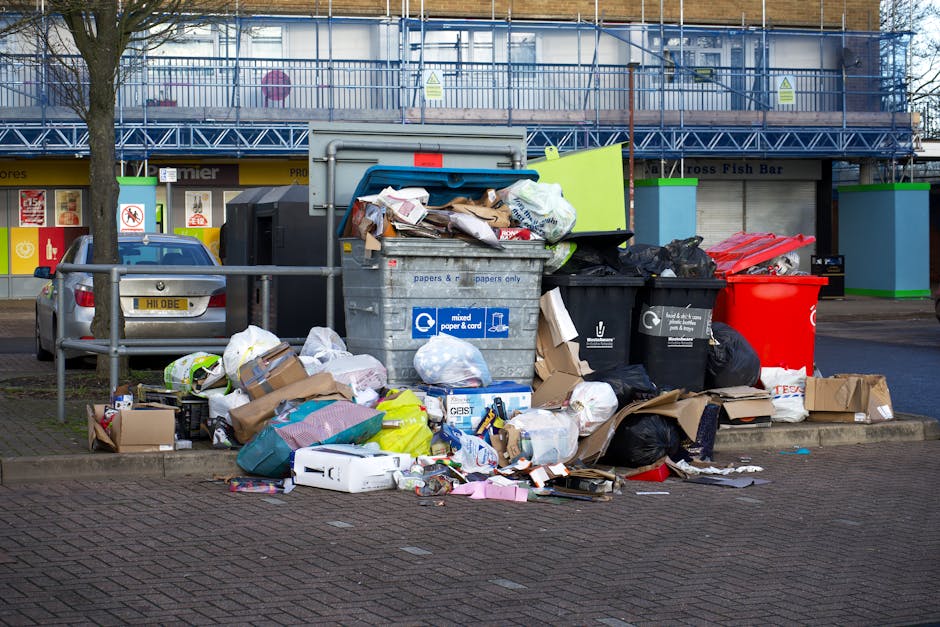
In most situations, the cleaner should not assume that a mattress can simply be left outside a property or near a communal bin. That kind of shortcut creates problems fast, especially in block entrances, shared walkways, and streets with strict waste presentation expectations. A mattress left at the wrong time or in the wrong place can become fly-tipping in the eyes of enforcement, even if the intention was harmless. Nobody wants that, obviously.
A sensible workflow usually looks like this:
- Confirm whether the mattress is to be cleaned only, removed, or both.
- Check if it is contaminated, heavily soiled, or infested.
- Agree who is arranging disposal and what costs apply.
- Assess access, stairs, lift use, parking, and loading distance.
- Use protective wrapping or handling controls where needed.
- Move the mattress to the agreed collection point or transport it to the approved disposal route.
Where a council collection or local reuse route is involved, cleaners should be careful not to promise services they cannot control. It is better to say, "We can help prepare and remove it, but the disposal route depends on the arrangement and suitability," than to over-promise. That little bit of caution is worth a lot.
In practice, a cleaner working in Greenwich might be dealing with a mattress from a rented flat in a busy street, a student let after a tenancy change, or a family home where a new bed is arriving later that afternoon. Same object, completely different disposal conditions. Context matters. A lot.
Key Benefits and Practical Advantages
Getting mattress disposal right brings more benefits than people expect. The obvious one is compliance, but the everyday advantages are just as valuable.
- Less confusion on the day: everyone knows who is doing what.
- Cleaner job finish: the room is left ready for the next step, whether that is a replacement mattress or a deep clean of the floor area.
- Reduced manual handling risk: a planned lift and carry is safer than a rushed one.
- Fewer neighbour issues: no mattress sitting awkwardly in a corridor or outside at the wrong time.
- Better client experience: the customer sees a professional process, not a last-minute scramble.
- Less chance of charge disputes: disposal costs, if any, can be explained upfront.
There is also a subtle but important trust benefit. When a cleaner knows the disposal route and explains it clearly, the client feels looked after. In our experience, that matters even more in properties that have already been through a stressful phase - end of tenancy, renovation, pest treatment, or a difficult family clear-out. The client may be tired, a bit overwhelmed, and not wanting a lecture. They just want a sensible answer.
For businesses, a good mattress disposal process can also support sustainability goals. If the mattress can be directed to a proper recovery, reuse, or recycling route, that is usually preferable to treating every old item as generic rubbish. If you are building a more responsible service, it is worth reading the company's recycling and sustainability approach alongside your waste handling process.
Who This Is For and When It Makes Sense
This topic is most relevant to cleaners who work in domestic and commercial settings where mattresses regularly need to be removed, cleaned, or replaced. That includes:
- end-of-tenancy cleaners
- mattress cleaning specialists
- housekeeping teams
- holiday-let and Airbnb turnaround cleaners
- property managers and void teams
- office or accommodation cleaning contractors
- upholstery and carpet cleaners who also handle soft-furnishing waste
It also matters if you are the client-facing person who gets asked, usually at the last minute, to "just take it away". You know the moment. The room is half packed, there is a mattress leaning against a wall, and everyone is hoping the problem magically disappears. That is exactly the moment where having a clear rule set helps.
It makes sense to plan for mattress disposal when the item is:
- heavily stained beyond practical cleaning
- damaged, torn, or sagging
- contaminated by pests or bodily fluids
- being replaced after a tenancy or refurbishment
- too bulky for ordinary waste handling
If the mattress is still serviceable, a cleaner may only need to clean it rather than remove it. That is where a service like mattress cleaning becomes relevant, because not every tired-looking mattress needs disposal. Sometimes it just needs a proper refresh, and that can save the client money. Simple enough, really.
Step-by-Step Guidance
Here is a practical way to approach mattress disposal in Greenwich without overcomplicating it.
1. Confirm the scope before touching the mattress
Ask whether the mattress is being cleaned, removed, or both. If removal is included, be clear about whether that means taking it to a specified collection point, loading it for transport, or handing it to a separate waste contractor. Do not leave this vague. Vague scope becomes awkward scope.
2. Check the condition of the mattress
Look for signs of contamination, infestation, damp, or structural collapse. A mattress with active pest issues may need special handling. A soaked mattress is heavy and unpleasant, and it can drip on stairs or flooring. Not ideal on a rainy Tuesday, or any day, really.
3. Assess the route out of the property
Measure the practical obstacles in your head: tight bends, stair width, lift size, low ceilings, narrow doorways, parking distance, and whether the mattress will need to be folded or carried upright. The safest route is usually the slowest one to plan, and the fastest one to execute. Strange but true.
4. Decide on packaging or protection
Where appropriate, use mattress bags or protective wrapping so the mattress does not shed debris, spread odour, or dirty communal areas. If there is any chance of contamination, containment is worth the effort. It keeps the job more professional and protects your vehicle too.
5. Move it carefully and with the right number of people
Mattresses are deceptively awkward. One end catches a door frame, the middle bends, and suddenly everyone is doing that awkward side-step shuffle. If the load is bulky or inflexible, get help. Your back will thank you later.
6. Use the agreed disposal route
Take the mattress only to the route that has been agreed with the client or property manager. That might be a licensed waste facility, a bulky waste collection, a reuse pathway if it is suitable, or a contractor-led disposal service. Do not improvise a roadside solution. That way lies trouble.
7. Keep a brief record
For business jobs, record what was removed, where it went, and when the handover happened. It does not have to be fancy. A simple job note can prevent misunderstandings later. If the mattress disposal is part of a wider contract, pair that record with your normal cleaning notes and, where relevant, your terms and conditions.
Expert Tips for Better Results
A few habits make this work much smoother.
- Always ask one extra question: "Do you want disposal, or just cleaning?" That one line prevents endless guessing.
- Price disposal separately if needed: bulky waste handling takes time, labour, and sometimes transport. Keep it transparent.
- Use clear photos on quote jobs: photos help judge mattress size, condition, and access. No one likes surprise stairs.
- Check parking before arrival: a brilliant disposal plan can fall apart if the van is a five-minute walk away.
- Keep the vehicle protected: mattress wrapping and a clean loading area save a lot of hassle.
- Mind odour transfer: if a mattress has absorbed smell, isolate it from clean textiles and upholstery equipment.
If you handle other soft furnishings, the same common-sense approach applies. For example, the habit of assessing access and contamination before moving a mattress is not far removed from good practice in sofa cleaning or upholstery cleaning. It is all about preventing spread, protecting the property, and keeping your workflow tidy.
One more thing: if a mattress is being removed after a deep clean, let the room air properly before you wrap up. Fresh bedding, open windows, a bit of natural airflow - the whole room simply feels better. It sounds small, but clients notice.
Common Mistakes to Avoid
Most problems with mattress disposal come from assumptions. A few of the usual ones:
- Assuming the council will collect anything, anytime: council processes are specific and may depend on booking, access, and waste type.
- Leaving the mattress in a shared area: corridors, bin stores, and front paths are poor holding places.
- Ignoring contamination: a stained or pest-affected mattress needs more caution than a clean spare bed.
- Not confirming ownership: the cleaner should know whether the mattress belongs to the tenant, landlord, business, or homeowner.
- Forgetting manual handling risks: heavy, soft, floppy items can be harder to move than rigid ones.
- Bundling disposal into cleaning without pricing it: this can quietly erode profit.
A lot of cleaners have had that one job where the mattress was "just in the way" and then the day turned into a logistics puzzle. It happens. The fix is not complicated: ask better questions and set the boundary early. Honestly, that solves half the battle.
Tools, Resources and Recommendations
You do not need a huge kit to manage mattress disposal well, but the right basics help.
| Item | Why it helps | Best used for |
|---|---|---|
| Mattress bag or wrap | Contains dust, dirt, and minor contamination | General removals and cleaner transport |
| Gloves | Improves grip and hygiene | Stained or rough-surface mattresses |
| Two-person carry plan | Reduces strain and awkward turning | Stairs, narrow halls, and larger sizes |
| Trolley or sack truck | Helps with longer carries and loading | Ground-floor or accessible properties |
| Photo record | Useful for job notes and dispute prevention | Quotation and handover jobs |
For service businesses, it also helps to have the right support pages ready on your site so customers can understand how you work. A clear health and safety policy shows you take handling seriously, while insurance and safety information helps reassure customers that you work with proper safeguards. That reassurance matters more than people think.
If you offer bundled furniture or textile work, keeping your service descriptions aligned is useful too. A customer who needs a mattress cleaned, a rug refreshed, or stains dealt with often wants one dependable provider rather than three separate phone calls. That is why pages like rug cleaning, carpet cleaning, and stain removal naturally sit alongside mattress work in a strong service structure.
Law, Compliance, Standards, or Best Practice
Without pretending to give legal advice, there are a few common principles cleaners should keep in mind. Waste must be managed responsibly, and commercial operators should avoid casual disposal practices that could create environmental or public nuisance problems. If a mattress is being removed as part of a paid cleaning job, the cleaner should be confident about who is responsible for the waste and where it is going.
Best practice usually includes:
- agreeing disposal responsibility in writing or in the job note
- using a disposal route that is suitable for bulky waste
- keeping the mattress out of public circulation unless it is actually fit for reuse
- handling contaminated items carefully
- not obstructing public pathways or shared entrances
- following your own safety procedures for lifting and transport
For customers in Greenwich, the most sensible approach is to treat council guidance as the local rulebook for the destination of the waste, but to treat the cleaner's own process as the first line of control. If you are the one removing the mattress, you are responsible for how professionally that removal is carried out. That is the bit that tends to get forgotten.
If the mattress is linked to a broader commercial contract, it is wise to keep the paperwork tidy. Clear job notes, fair pricing, and a transparent policy all help. If a dispute ever comes up, you will be glad you did not rely on memory. Memory is helpful. Not always reliable.
Options, Methods, or Comparison Table
There is no single right method for every mattress. The best option depends on the mattress condition, the access, and who owns the disposal responsibility.
| Method | Best for | Pros | Watch-outs |
|---|---|---|---|
| Cleaner collects and transports | Pre-agreed add-on removals | Convenient for client, tidy handover | Requires transport, manual handling, and clear pricing |
| Client arranges council or bulky waste | Simple domestic clear-outs | Less responsibility for the cleaner | Can delay the job if collection is not booked |
| Property manager coordinates disposal | Rental, HMOs, and managed blocks | Central control and better record-keeping | Needs good communication between parties |
| Reuse or recycling route | Suitable mattresses in acceptable condition | Potentially more sustainable | Only appropriate where condition and local process allow it |
In a lot of real jobs, the most practical answer is the boring one: the cleaner identifies the mattress condition, explains the options, and lets the customer choose the correct route. Boring is underrated. Boring gets results.
Case Study or Real-World Example
Imagine a cleaner arrives at a third-floor flat in Greenwich on a Friday morning. The client has booked a mattress clean, but when the team gets there, the mattress is heavily stained and the tenant has already bought a replacement. The hallway is narrow, the stairwell has a awkward corner, and the lift is out of service. Classic.
Instead of forcing a quick decision, the cleaner checks the mattress condition, confirms that disposal is wanted, and explains that the removal will need two people, a protective wrap, and a sensible route down the stairs. The client agrees. The cleaner then records the item, plans the lift, protects the communal area, and completes the removal without leaving a mark on the walls. The old mattress is handled through the agreed waste route, and the room is ready for the new one.
Nothing dramatic happened. That is the point.
The job feels successful because the process was calm, clear, and specific. If the same team had simply tried to "sort it later", the mattress might have ended up blocking the landing while everyone argued about who was paying for what. You can probably picture it already.
Practical Checklist
Use this checklist before any mattress disposal job in Greenwich:
- Have I confirmed whether the mattress is being cleaned, removed, or both?
- Do I know who owns the mattress and who is responsible for disposal?
- Have I checked for staining, dampness, or pest contamination?
- Is the access route safe, realistic, and measured in my head?
- Do I have the right number of people for the lift?
- Is a mattress bag or protective wrap needed?
- Have I agreed the disposal route and any extra cost?
- Have I avoided promising a council service I cannot control?
- Have I made a quick note or photo record for the job file?
- Is the property left tidy and free from stray debris?
If you can tick those off, you are in good shape. Not perfect, just properly prepared - which is usually more than enough.
Conclusion
Greenwich Council mattress disposal rules for cleaners are really about one thing: handling a bulky, awkward waste item in a way that is safe, agreed, and respectful of the property and the surrounding area. The cleaner who plans ahead, asks clear questions, and follows a sensible disposal route will almost always deliver a smoother experience than the cleaner who wings it.
For customers, this means less confusion and a cleaner finish. For cleaning businesses, it means fewer mistakes, fewer disputes, and a better reputation for practical, reliable work. And in a busy London borough where access can be tight and schedules even tighter, that kind of calm competence is worth a lot.
Get a free quote today and see how much you can save.
If you want to present a more complete service to clients, it can also help to review related pages such as about the company, pricing and quotes, and contact us so customers can move from enquiry to booking without friction. A clear process is a kind thing, really.
Frequently Asked Questions
Can cleaners remove a mattress as part of a cleaning job in Greenwich?
Yes, but only if the scope is agreed in advance. A cleaner should not assume mattress removal is included just because they are already on site. The best approach is to confirm whether the job is cleaning only, disposal only, or both.
Do Greenwich Council mattress disposal rules apply to every cleaner?
The practical waste expectations apply to anyone moving or disposing of mattresses in the borough, including independent cleaners, property teams, and contractors. The exact council process can change, so it is sensible to check the current local arrangement before making promises.
Can a mattress be left by the communal bins for collection?
Usually not as a casual shortcut. A mattress left in a communal or public area can cause obstruction, neighbour complaints, or waste enforcement issues. It should only be placed where an agreed collection or authorised disposal process requires it.
What if the mattress is stained or smells bad?
That is common. Staining or odour does not automatically mean disposal, but it does mean the cleaner should assess whether cleaning is realistic and whether the mattress needs special handling. If the smell is strong or the item is badly contaminated, a disposal route may be the better option.
How should cleaners handle a mattress with possible bed bugs?
Carefully and without delay. Contaminated mattresses should be contained, moved with caution, and kept separate from clean textiles and equipment. A specialist handling approach is usually wise here, because spreading pests is the last thing anyone wants.
Is mattress recycling better than general waste disposal?
Where available and suitable, recycling or reuse is usually preferable. But it depends on the mattress condition and the local acceptance route. A damaged or heavily contaminated mattress may not be accepted for reuse.
Should cleaners charge extra for mattress removal?
Often, yes. Mattress removal can involve labour, lifting, wrapping, transport, and disposal arrangements. It is fair to price it separately or clearly bundle it into the quote so there are no surprises later.
What information should be recorded after a mattress is removed?
At minimum, note what was removed, when it was removed, who authorised it, and what disposal route was used. A photo record can also be helpful for business jobs, especially where the item condition might later be questioned.
Can a cleaner dispose of mattresses from rental properties and HMOs?
Yes, if the arrangement is agreed with the landlord, agent, or responsible party. These jobs usually work best when responsibility is written down clearly, because there are often multiple people involved and nobody wants crossed wires.
What is the safest way to move a mattress downstairs?
Use two people where needed, keep the route clear, protect corners and walls, and take your time on turns. Mattresses are bulky and awkward even when they are light. Rushing is what creates most mishaps.
Does a cleaner need special equipment for mattress disposal?
Not always, but mattress bags, gloves, a trolley, and a clear lifting plan make a big difference. For larger or more awkward jobs, a second person is often the most useful piece of equipment you can have. Bit of a joke, but also true.
What should I tell a client who wants same-day removal?
Explain what is possible, what is not, and whether the property access and disposal route can support it. Same-day removal can be done in some situations, but it depends on planning, location, and available transport. Clear communication keeps the job calm.